Freight & Logistics Insights
Expert analysis, shipping updates, and practical supply chain solutions from 25+ years of operational experience.
What Are the 2026 Top LCL Freight Consolidation Options?
Table of Contents
- What Is LCL Freight Consolidation and Why Does It Matter in 2026?
- How Do the Leading 2026 LCL Consolidation Options Compare?
- Which Factors Determine the Best LCL Freight Consolidation Choice?
- How Do Pricing, Transit Times, and Routing Differ Across Options?
- What Should Shippers Check Before Selecting an LCL Consolidator?
- FAQS
- Conclusion
- Related Posts
In 2026, LCL Freight Consolidation remains a practical choice for shippers whose cargo cannot fill a container. Small shipments still need disciplined planning. They also need reliable handling at multiple transfer points.
UNCTAD’s Review of Maritime Transport 2024 states that maritime shipping carries over 80% of global merchandise trade by volume. That scale supports frequent consolidation services, but it does not guarantee smooth delivery. A pallet moving from Shenzhen to Rotterdam may pass through a warehouse, a deconsolidation center, and several customs checkpoints. Each handoff adds time and documentation risk.
The 2023 World Bank Logistics Performance Index highlights customs, infrastructure, international shipments, logistics competence, tracking, and timeliness as key performance areas. These measures provide a useful framework for comparing 2026 options. Traditional freight forwarders may offer broad port coverage and stronger local support. NVOCC consolidators can provide structured sailing schedules and controlled container planning. Digital freight platforms may improve quotation speed, milestone visibility, and shipment comparison. Buyer’s consolidation can also reduce empty space when several suppliers serve one destination.
No single option fits every cargo profile. That is the hard part.
A low rate may conceal destination charges, longer warehouse dwell time, or weak tracking. A premium service may not create meaningful value for non-urgent goods. The most credible choice should therefore balance total landed cost, transit consistency, cargo compatibility, insurance processes, and documented carrier performance. This guide compares the leading LCL Freight Consolidation options for 2026, while recognizing one uncomfortable truth: published schedules can change quickly when ports, weather, or capacity conditions shift.
What Is LCL Freight Consolidation and Why Does It Matter in 2026?
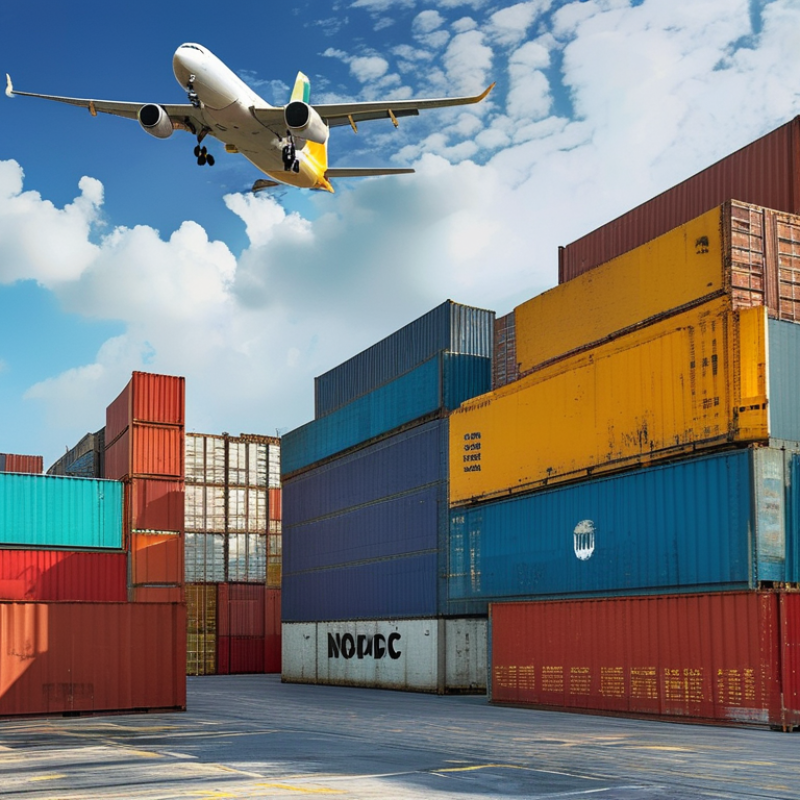
LCL freight consolidation combines shipments from several shippers inside one container. At origin, cargo is measured, labeled, and checked against transport documents. A consolidator groups compatible goods before loading the container. At destination, the cargo is separated for individual delivery. This structure helps smaller businesses access ocean freight without filling an entire container. It can also reduce unused container space.
In 2026, consolidation matters because supply chains face changing demand, port congestion, and tighter cost controls. Smaller shipments can move more frequently instead of waiting for a full container. Better tracking systems can show milestones such as cargo receipt, loading, and deconsolidation. More precise data also supports inventory planning and emissions reporting. Still, LCL is not automatically cheaper. It adds handling points. Delays may occur.
A reliable comparison should include total charges, transit time, documentation requirements, handling procedures, and destination delivery options. Ask how cargo is protected during warehouse transfers. Packaging deserves careful attention. Weak cartons can fail under repeated movement. One overlooked detail can affect the entire shipment.
Experienced freight professionals usually review cargo dimensions, readiness dates, and port conditions before recommending consolidation. Their advice should be supported by clear quotations and realistic service terms. The decision may remain imperfect, especially when schedules change. That uncertainty deserves honest planning, not optimistic promises.
How Do the Leading 2026 LCL Consolidation Options Compare?
In 2026, leading LCL consolidation options will differ mainly in routing control, handling frequency, and visibility. Direct port-to-port consolidation usually reduces transfers and damage exposure. Hub-and-spoke services may offer broader coverage, but extra handling can increase delay risk. Buyer’s consolidation combines shipments from one purchasing program, improving carton control and documentation. However, it may require stricter warehouse scheduling.
UNCTAD’s Review of Maritime Transport 2024 recorded 2.4% maritime trade growth in 2023 and expected slower growth afterward. This makes capacity planning important, especially during seasonal peaks. The World Bank’s Logistics Performance Index 2023 found that international shipments averaged about 44 days across the supply chain. LCL cargo can take longer when customs checks, warehouse cut-offs, or missing documents intervene. That comparison is imperfect. Actual performance depends heavily on origin, destination, and cargo readiness.
Tips: Compare total landed cost, not only the ocean rate. Ask for the consolidation cut-off, estimated transshipment points, free storage period, and cargo-claim procedure. Request milestone tracking with scan times. A low quote may hide destination handling charges. I would also test one small shipment before moving regular volume. It is less elegant, but more reliable. Keep package dimensions accurate; a few extra centimeters can change the chargeable volume.
Which Factors Determine the Best LCL Freight Consolidation Choice?
The best 2026 LCL choice depends on cargo behavior, not only the quoted ocean rate. UNCTAD’s Review of Maritime Transport 2024 reported 2.4% growth in global seaborne trade during 2023. More volume can increase consolidation opportunities, but it can also create tighter warehouse schedules. Measure cubic meters, chargeable weight, package fragility, and delivery urgency before comparing providers. A shipment with eight cubic meters may suit direct origin consolidation. Smaller cargo may benefit from co-loading, if the sailing schedule remains stable.
Routing is equally important. Compare port pairs, weekly departures, cut-off times, transshipment exposure, and final-mile handling. The World Bank’s Logistics Performance Index 2023 evaluates customs, infrastructure, logistics services, tracking, and timeliness. These factors often reveal hidden costs behind an attractive LCL tariff. Ask for destination deconsolidation charges, documentation fees, storage rules, and cargo inspection procedures in writing. A low quote can still be the wrong choice.
Reliable consolidation requires visible milestones. Look for container loading photos, electronic status updates, seal records, and clear claims procedures. The International Transport Forum’s Transport Outlook 2024 emphasizes resilience, efficiency, and emissions reduction across freight networks. Therefore, compare estimated carbon output and delay recovery plans, not just transit days. Experienced shippers know schedules can slip. No forecasting model catches every rollover. I would also test one small shipment first. That exposes weak communication, inaccurate dimensions, or careless cargo mixing before larger volumes are committed.
How Do Pricing, Transit Times, and Routing Differ Across Options?
In 2026, LCL consolidation choices differ most in price, transit time, and routing control. A direct consolidation service usually offers fewer cargo handoffs. It can reduce delay risks, especially for steady weekly volumes. However, its rate may include stricter cut-off times and minimum charges. A hub-based service can cost less, but cargo may wait several days for the next connection.
Pricing often depends on chargeable volume, not only physical weight. A small shipment may still face documentation, terminal, and destination handling fees. For example, a 2-cubic-meter shipment could receive a low ocean rate but a high arrival bill. Experienced shippers request a door-to-door breakdown. Otherwise, comparisons become misleading. That lesson is easy to miss.
Transit times also change with routing. Direct ocean movement may take 28 to 35 days between major ports. A route through an additional hub may reach 40 days or more. Rail-sea combinations can shorten inland movement, though schedules may be less flexible. Weather, port congestion, and customs inspections still affect delivery estimates. No forecast is perfect.
The best option depends on cargo urgency and shipment regularity. A cost-focused importer may accept slower routing for stable, non-urgent goods. A time-sensitive buyer may pay more for fewer transfers and tighter departure schedules. I would compare at least three quotes using the same cargo details. Small errors in dimensions can distort the result. Then, check the actual sailing frequency, not just the advertised transit time.
What Are the 2026 Top LCL Freight Consolidation Options?
Pricing, transit times, and routing comparison for a standard 1 CBM LCL shipment from East Asia to North America
Indicative 2026 market benchmarks: estimated ocean freight and consolidation charges are shown in USD per CBM, excluding duties, taxes, customs penalties, and final-mile delivery. Direct-origin consolidation generally provides the shortest transit and lowest cost. Hub-and-spoke routing adds handling and transshipment time, while ocean-plus-rail routing usually costs more but can provide a practical inland alternative when destination ports or trucking capacity are constrained.
What Should Shippers Check Before Selecting an LCL Consolidator?
Before choosing an LCL consolidator for 2026, shippers should test reliability, not only the quoted ocean rate. UNCTAD’s Review of Maritime Transport 2024 reported that maritime trade grew 2.4% in 2023. Disruptions remain expensive. Ask for recent data on schedule reliability, transshipment delays, port dwell time, and cargo claims. A clear weekly sailing plan matters more than an attractive spreadsheet.
Request a complete cost sheet before booking. It should show origin handling, documentation, consolidation, deconsolidation, customs support, storage, and destination delivery charges. The World Bank’s Logistics Performance Index 2023 highlights timeliness and tracking as critical logistics capabilities. Therefore, check whether shipment events update at booking, warehouse receipt, vessel departure, arrival, and final delivery. Weak visibility creates avoidable surprises. Test the tracking portal with a sample shipment.
Cargo handling deserves physical questions. Where are cartons received, weighed, photographed, and secured? What happens when packaging is damaged or dimensions differ from the declaration? Ask for the claims procedure, response deadline, insurance limits, and named operational contacts. A consolidator should explain cut-off times and documentation requirements in plain language. Do not accept “standard practice” as an answer. It often hides gaps. A low quote can still be costly. In practical reviews, the cheapest option is not always the most dependable. I would also request three months of anonymized performance records, though some providers may resist. That resistance itself deserves attention.
FAQS
Direct consolidation uses fewer cargo handoffs. It may reduce delay risks. Hub-based routing can cost less, but cargo may wait several days.
Charges may depend on chargeable volume, not physical weight. Documentation, terminal, storage, and destination handling fees can increase the final bill. A 2-cubic-meter shipment may receive a high arrival invoice.
Direct ocean routing may take 28 to 35 days between major ports. Routes through another hub may take 40 days or more. Weather and inspections can extend delivery.
It may shorten inland movement. However, schedules can be less flexible. That trade-off needs checking.
Request door-to-door pricing. Check origin handling, documentation, consolidation, deconsolidation, customs support, storage, and final delivery charges. Otherwise, comparisons become misleading.
Use identical cargo details for at least three quotes. Include dimensions, weight, volume, origin, destination, and delivery terms. Small measurement errors can distort the result.
Ask about schedule reliability, transshipment delays, port dwell time, and cargo claims. Request three months of anonymized performance records when possible. Some providers may resist.
Test whether updates appear at booking, warehouse receipt, departure, arrival, and delivery. Ask where cartons are weighed, photographed, and secured. Packaging damage needs a clear claims process.
Not always. Time-sensitive goods may justify higher costs and fewer transfers. Stable, non-urgent goods may suit slower routing. The right choice depends on risk tolerance, not price alone.
Conclusion
LCL Freight Consolidation is an efficient solution for shippers who have cargo volumes too small to fill an entire container. By combining compatible shipments into one shared container, it can improve space utilization, control transportation costs, and provide access to more regular shipping schedules. In 2026, the leading consolidation options will differ in their network coverage, shipment visibility, cargo handling processes, departure frequency, and ability to support specific origin-destination pairs.
Choosing the best option requires a balanced review of pricing, transit times, routing flexibility, and service reliability. Shippers should compare total costs rather than base freight rates alone, including origin handling, documentation, destination charges, and possible storage fees. They should also confirm cutoff schedules, estimated delivery times, tracking capabilities, cargo protection procedures, consolidation frequency, and communication standards. A careful evaluation of these factors helps businesses select a dependable consolidator that matches their shipment size, urgency, budget, and operational requirements.

Blog Tags: