Freight & Logistics Insights
Expert analysis, shipping updates, and practical supply chain solutions from 25+ years of operational experience.
Port Drayage Services connect ocean terminals with warehouses, rail ramps, distribution centers, and nearby customers. The work may look like a short truck movement, but each trip carries operational risk. A missed appointment can leave a container waiting under a hot afternoon sun. A delayed chassis can disrupt an entire delivery plan.
Gene Seroka, Executive Director of the Port of Los Angeles, has said, “The supply chain is a team sport, and no one entity can solve these challenges alone.” His observation reflects the practical nature of drayage. Drivers, dispatchers, terminal operators, shippers, and warehouse teams must coordinate closely. Small timing errors can create expensive congestion.
This guide examines the top types of Port Drayage Services and explains where each model fits. It will cover live unloads, drop-and-hook moves, transloading, rail drayage, refrigerated container transport, and expedited deliveries. Each service has different equipment needs, appointment rules, cost pressures, and cargo requirements. Dry containers may require simple scheduling. Reefer loads demand temperature checks and reliable power connections. Rail-connected freight often needs precise handoffs between trucks and trains.
The categories are useful, but they are not perfectly separate. Real shipments often combine several service types. A container might leave a port, move to a transload facility, and continue by rail. That complexity deserves attention. Reliable providers use terminal experience, driver knowledge, tracking systems, and documented safety procedures. Yet even experienced teams can misjudge traffic, weather, or terminal conditions. Understanding those limits helps shippers choose a service based on actual cargo needs, not appealing labels.
Port Drayage Defined: The First and Last 100 Miles of Container Transport
What Are the Top Types of Port Drayage Services?
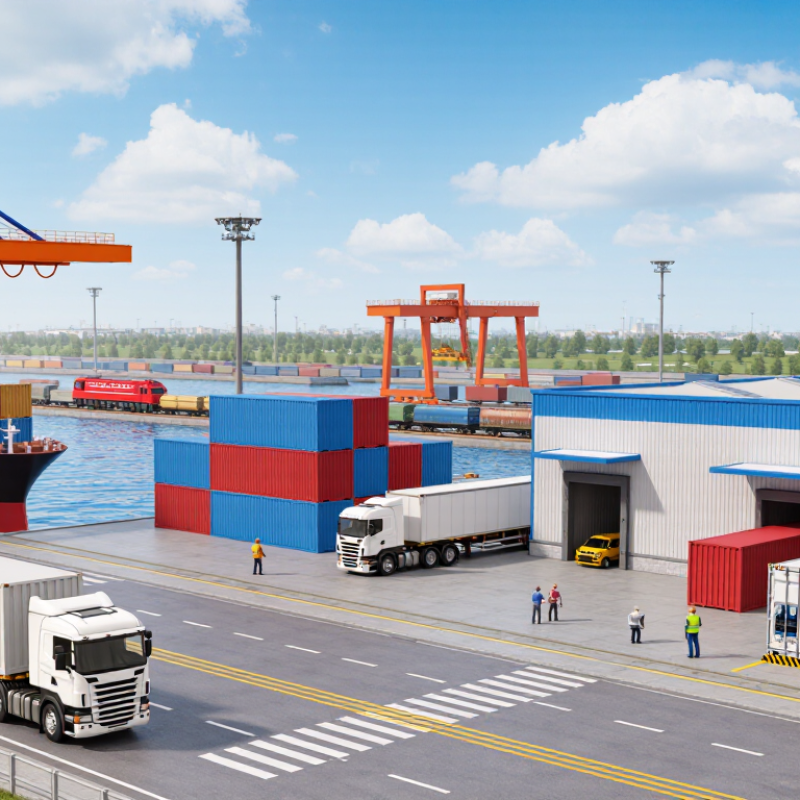
Port drayage is the short-haul movement of containers between a seaport and nearby facilities. It often covers the first and last 100 miles of container transport. The distance is not always exactly 100 miles. The phrase describes the critical connection between ocean shipping and inland delivery.
Local drayage moves containers from a terminal to a warehouse, distribution center, or customer site. Shuttle drayage transfers containers between terminals, storage yards, and nearby staging areas. Rail drayage connects port containers with inland rail ramps for longer journeys. Transload drayage moves cargo from containers into domestic trailers or smaller vehicles. Each service requires careful appointment planning, verified container details, and suitable chassis equipment.
A reliable drayage process begins before the truck reaches the gate. Dispatchers check terminal hours, pickup references, chassis availability, and delivery windows. Drivers may wait in line while cargo paperwork is corrected. Small errors can create costly delays. Real-time location updates help warehouses prepare dock space and labor. Weather, traffic, and terminal congestion still disrupt even well-planned moves. The 100-mile label is useful, but imperfect. Some routes are shorter, while inland port connections extend much farther. Strong operators review those details instead of relying on distance alone.
| Drayage Service Type | Typical Transport Pattern | Primary Equipment | Common Cargo or Use Case | Typical Distance or Move | Key Planning Requirements |
|---|---|---|---|---|---|
| Standard Port-to-Warehouse Drayage | Container is collected at a marine terminal and delivered to a distribution center, warehouse, or customer facility. | Container chassis, tractor, and standard dry container. | Packaged goods, retail products, machinery, and other non-temperature-sensitive freight. | Usually a short-haul move within the port region; many moves fall within approximately 100 miles of the terminal. | Terminal appointment, container availability, chassis assignment, receiving hours, and return instructions for the empty container. |
| Warehouse-to-Port Export Drayage | An export-loaded container moves from a shipper or warehouse to a marine terminal before the vessel cut-off. | Tractor, container chassis, and dry or specialized export container. | Manufactured goods, agricultural products, components, and consolidated export shipments. | Usually a local or regional trip from the shipper to the port terminal. | Verified gross mass, export documentation, booking details, receiving cut-off, and terminal appointment requirements. |
| Transload Drayage | Import containers are hauled to a nearby transload facility, where cargo is unloaded and transferred into domestic equipment or storage. | Container chassis, tractor, dry van, box truck, or warehouse handling equipment. | Freight that must be sorted, repacked, palletized, or transferred to domestic distribution equipment. | Often combines a short port move with a same-day or scheduled facility transfer. | Dock capacity, unloading labor, appointment coordination, pallet or package requirements, and empty-container return timing. |
| Rail-Connected Drayage | Containers move between a marine terminal, inland rail ramp, warehouse, or distribution center to connect with intermodal rail service. | Container chassis, tractor, and rail-compatible intermodal container. | Long-distance import or export freight that uses rail for the line-haul portion of transportation. | Commonly covers the first or last local leg around a rail ramp; the rail segment may extend far beyond the port region. | Rail availability, ingate and outgate windows, container and booking references, demurrage rules, and ramp appointment procedures. |
| Refrigerated Container Drayage | A temperature-controlled container is moved between the port, cold-storage facility, food processor, or distribution center. | Reefer container chassis and tractor; the container must remain connected to a suitable power source when required. | Fresh and frozen food, pharmaceuticals, chemicals, and other temperature-sensitive products. | Generally short-haul, time-sensitive movement within the port or regional cold-chain network. | Temperature set point, pre-trip inspection, power availability, monitoring records, sanitary requirements, and rapid terminal handling. |
| Specialized or Overweight Drayage | A container or cargo unit requiring special routing, handling, permits, or equipment moves between the terminal and final destination. | Heavy-duty chassis, tri-axle chassis, lowboy trailer, flatbed, or other permitted equipment, depending on the load. | Dense commodities, industrial equipment, machinery, project cargo, and containers exceeding ordinary axle or gross-weight limits. | Distance varies by route, but the move is usually planned as a port-region or regional delivery. | Verified weights and dimensions, axle distribution, route survey, jurisdictional permits, bridge restrictions, escort requirements, and securement plans. |
| Drop-and-Hook Drayage | The driver drops a loaded container at a facility or picks up a pre-positioned container, reducing live waiting time at the dock. | Container chassis, tractor, and one or more pre-positioned containers or chassis. | High-volume import or export freight handled by facilities with adequate staging space. | Usually a local port-to-facility or facility-to-port move with separate pickup and delivery appointments. | Available yard space, equipment control, container condition checks, seal verification, free-time limits, and clear drop-and-hook instructions. |
| Live Unload and Live Load Drayage | The driver waits while the container is unloaded or loaded at the destination facility before departing with the container or empty equipment. | Standard tractor and container chassis; dock, forklift, or loading crew at the facility. | Shipments handled at facilities without space for container staging or where immediate inspection and transfer are required. | Normally a short-haul port move, with total trip time strongly affected by dock waiting and handling time. | Pre-booked dock appointment, facility labor availability, detention policy, loading sequence, cargo count, seal control, and documented arrival and departure times. |
Note: Distance ranges and operating practices are typical industry patterns rather than universal rules. Actual requirements depend on terminal procedures, local road regulations, container specifications, cargo characteristics, and the receiving facility.
FAQS
It moves imported cargo from a seaport to a warehouse using specialized trucks and chassis. The route is usually short, but port queues can change quickly.
A 20-foot container fits heavier cargo with a smaller footprint. A 40-foot container offers more volume for lighter, larger shipments. Check cargo weight, dimensions, and warehouse space before booking.
Confirm the container number, release status, pickup appointment, and delivery window. The driver should inspect the chassis, tires, lights, and container condition. Small omissions can cause long delays.
The truck backs into an assigned loading bay. Warehouse staff prepare unloading equipment and verify the seal. They record visible damage and compare the cargo with delivery documents.
Not always. An empty container may need a separate return appointment after unloading. This step is easy to overlook and may increase storage costs.
A street turn reuses an import container for a nearby export load. The driver may deliver imports in the morning and collect exports later. This can reduce empty trips, fuel use, and terminal congestion.
Yes, when suitable chassis are available near the next appointment. Dispatchers should match chassis type, container condition, driver hours, and terminal rules. Availability is never guaranteed.
Measure turn time, empty miles, chassis use, rejected moves, and missed appointments. Review interchange records before assigning equipment. The process is practical, not perfect. A familiar routine may still hide weak points.
Conclusion
Port Drayage Services cover the short but essential movements that connect ocean terminals with the next point in a container’s journey, often described as the first and last 100 miles of transport. These services move standard 20- and 40-foot containers from ports to warehouses, distribution centers, and other approved facilities, helping cargo transition smoothly from maritime shipping to inland delivery.
Different drayage solutions support different supply chain needs. Intermodal drayage links seaports with rail and truck networks, creating flexible transportation routes for longer inland distances. Transloading drayage transfers imported goods from marine containers into larger 53-foot domestic trailers, which can improve space utilization and simplify regional distribution. Chassis and street-turn drayage further improve efficiency by coordinating equipment reuse and reducing unnecessary empty container movements. Together, these service types help businesses manage capacity, control delays, and maintain a more efficient flow of goods.